What to know about emergency cleaning in Haringey
Posted on 18/06/2026

When something messy happens suddenly, it can throw the whole day off. A burst pipe, a spill after a party, a kitchen accident, or a landlord inspection that has arrived far too soon, all of it can create the same feeling: you need help now. That is where emergency cleaning in Haringey comes in. It is the fast, practical response that helps restore a property to a usable, safer state without the drawn-out wait of a standard booking.
This guide covers what emergency cleaning actually involves, when it makes sense, how the process usually works, what to ask before booking, and the mistakes people often make under pressure. If you are dealing with a real-time problem in N8, N4, N10 or anywhere nearby, a clear plan helps more than panic. Truth be told, that first 10 minutes matters a lot.
Why emergency cleaning in Haringey matters
Emergency cleaning is not just "a faster clean". It is a response to situations where delay can make a problem worse. A wet carpet can start to smell. Food waste can attract pests. Bodily fluids, smoke residue, or contamination after an incident can create health and hygiene concerns. Even a simple overflow in a flat can spread across flooring and under furniture in no time.
In a busy London borough like Haringey, properties are often tightly occupied, time-sensitive, and shared by families, tenants, landlords, offices, or event organisers. That means the consequences of a messy incident can ripple quickly. A hallway spill in a maisonette is not the same as a small stain in a spare room. Space, timing, and access all shape the urgency.
There is also the practical side. If you are trying to hand back keys, reopen a business, welcome guests, or avoid further damage, a fast response is often the difference between a manageable issue and a much more expensive one. You do not always need a full deep clean. Sometimes you need targeted, immediate intervention. That distinction matters.
Expert summary: emergency cleaning is best understood as damage control plus hygiene restoration. The goal is not perfection on the spot; it is to stabilise the situation, reduce risk, and get the space back under control.
If the issue is related to a tenancy move-out or a property handover, it can be worth looking at end-of-tenancy cleaning in Haringey as a related service, especially when the clock is ticking.
How emergency cleaning works
Most emergency cleaning jobs follow a fairly similar pattern, though the exact steps vary depending on the incident. The cleaner or team first assesses what happened, how widespread the mess is, and what materials are affected. That may be a carpet, upholstery, hard flooring, walls, appliances, or a combination of all four. Then they decide what equipment, chemicals, and drying approach are needed.
In practical terms, this usually means quicker mobilisation, a tighter plan, and a more focused scope than a routine visit. A same-day response might involve:
- rapid arrival or short-notice scheduling
- initial inspection and risk check
- spot treatment or containment
- removal of debris, residue, or standing liquid
- deep extraction, sanitising, or deodorising if required
- drying and aftercare advice
That last part is easy to overlook. A lot of people think the job ends when the surface looks clean. Not quite. If moisture, odour, or residue remains in hidden layers, the issue often returns later. A wet underlay, a porous sofa cushion, or a kitchen skirting board can keep causing trouble after the visible part looks fine. A bit annoying, but common.
For some incidents, specialist methods are the better fit. A post-event spill on carpet may need extraction. Grease in a kitchen may need degreasing and manual detailing. A sofa with embedded odour may need targeted upholstery treatment. You can learn more about this area through upholstery cleaning in Haringey and carpet cleaning in Haringey if soft furnishings are involved.
Key benefits and practical advantages
The biggest benefit is speed, of course. But there is more to it than that. A good emergency clean protects the property, reduces stress, and helps you make sensible next decisions rather than rushing into guesswork.
1. Less damage over time. Quick attention can stop a stain from settling, reduce odour development, and limit the spread of moisture or debris. That is especially important on carpets, mattresses, fabric chairs, and untreated wood.
2. Better hygiene. If the incident involves food waste, pet mess, smoke, bodily fluids, or overflowing bins, fast cleaning improves the safety of the space and helps remove unpleasant residue. No one wants to be breathing that in all evening.
3. Faster return to normal use. Families want the kitchen back. Offices want desks usable again. Landlords want the property presentable. Event spaces want to reset. Emergency cleaning is about getting life moving again, not creating another job for tomorrow.
4. Lower chance of disputes. When a clean-up is handled properly and promptly, it is often easier to document what happened and reduce misunderstanding between tenants, landlords, venues, or business owners. That calm, practical record can be surprisingly helpful later.
5. Better outcome for specialist surfaces. Delicate finishes, upholstery, carpets, and some flooring types respond better when treated early. Leaving things overnight can make the same stain much harder to shift.
If the incident happened after a gathering, it may help to read about common local venue scenarios in popular Haringey party venues and the realities of deep event cleaning near Alexandra Palace. The context is different, but the clean-up logic is very similar.
Who this is for and when it makes sense
Emergency cleaning is useful for more people than you might first think. It is not only for disasters, and it is not only for commercial premises. In everyday life, the need can be much simpler than that.
- Homeowners dealing with leaks, spills, fire residue, or unexpected mess before guests arrive.
- Tenants trying to protect a deposit or present a property quickly before an inspection.
- Landlords and letting agents needing a fast turnaround between occupiers.
- Office managers dealing with spillages, washroom issues, or after-hours accidents.
- Event organisers who need the venue reset before the next booking.
- Families and carers managing accidents that require discretion and sensitivity.
It makes sense whenever the mess is bigger than what you can reasonably handle yourself, when time is tight, or when the surface involved could be damaged by the wrong product. If you have ever looked at a stain at 10 p.m. and thought, "I'll sort it in the morning", you already know the problem. Morning may be too late.
There is also a judgment call. Some incidents only need a quick domestic clean. Others are closer to a technical restoration job. If you are unsure, it is usually better to describe the incident honestly and let the cleaner decide whether a standard visit, a deep clean, or a more specialised emergency response is appropriate. For recurring home upkeep, domestic cleaning in Haringey and house cleaning in Haringey may be useful once the immediate issue has been handled.
Step-by-step guidance
If you are managing a cleaning emergency, the sequence you follow matters. Here is a simple, grounded approach that works in most cases.
- Make the area safe. If there is standing water, broken glass, smoke, strong odour, or any sign of contamination, keep people away from the area first. Safety before neatness. Always.
- Stop the source if possible. Turn off a tap, move a leaking item, contain a spill, or switch off a broken appliance if it is safe to do so. Do not take unnecessary risks.
- Take a quick note of what happened. A few photos can help later, especially for landlords, insurers, agents, or venue managers. Keep it simple.
- Identify what materials are affected. Carpet, laminate, upholstery, mattress, grout, tile, paintwork, or paper items all need different handling.
- Contact a cleaning provider quickly. Explain the incident clearly: what happened, when it happened, how big the area is, and whether there are any access issues.
- Ask what is included. Does the clean cover deodorising, stain treatment, extraction, waste removal, or drying advice? These details matter more than people expect.
- Prepare the space. If you can do so safely, clear valuables, remove pets, and make the area easy to reach. That saves time and awkwardness.
- Follow the aftercare instructions. If a surface needs to dry fully or should not be walked on yet, listen. A good result can be undone by one overconfident footstep.
If you are planning for the longer term, booking a routine visit through the services overview can help you understand which options are available once the immediate crisis is over. It is often easier to think clearly later than it is in the middle of a mess.
Expert tips for better results
A few practical habits can make emergency cleaning go much more smoothly. They are not dramatic. They just work.
Act early, even if the problem looks small. A fresh stain is much easier to tackle than one that has sunk in for six hours. The same applies to moisture and odour. Time changes everything here.
Be specific when you call. Instead of saying "there's a mess", say what kind of mess it is. Food, grease, drink, mould-like dampness, soot, pet accident, or floodwater each points to a different approach. Specifics help the cleaner bring the right kit first time.
Use plain language about the surface. Is it wool carpet, synthetic carpet, leather, fabric, sealed flooring, or painted wood? If you do not know, say so. Better to be unsure than wrong.
Do not over-wet the area yourself. A lot of people try to improve a spill with too much water. That can spread the stain or drive it deeper. Blotting is usually safer than scrubbing.
Keep children and pets out of the way. Cleaning products, buckets, damp patches, and equipment can all create avoidable hazards.
Ask about drying time. That one question saves a lot of hassle. A surface that looks clean but is still damp can cause slips, smells, or re-soiling.
If the issue involves soft furnishings or a stubborn stain, a specialist response can be the smarter route. In some cases, it is even worth comparing targeted services against a broader clean, which is why pages like same-day carpet cleaning near Wood Green Haringey can be a useful point of reference when carpet is the main problem. Small detail, big difference.
Common mistakes to avoid
When people are stressed, they usually make the same handful of mistakes. Nothing unusual. But those mistakes can cost time, money, or the finish of the property.
- Waiting too long. "I'll handle it later" often turns a manageable issue into a much deeper clean.
- Using the wrong product. Bleach, harsh degreasers, or generic sprays can damage fabric or set stains, especially on delicate surfaces.
- Scrubbing aggressively. That can fray carpet fibres, spread the spill, or create a bigger patch than the original mess.
- Forgetting hidden areas. Under furniture, along skirting boards, and in seams or underlay can trap residue.
- Not asking about drying and follow-up. A quick clean without aftercare advice can leave lingering issues.
- Choosing solely on price. Cheap can be fine sometimes. But if the provider cannot explain their process, that is a warning sign.
There is another one, a quiet classic: assuming all cleaning jobs are the same. They are not. A post-party kitchen reset, an office spill, and a tenancy handover each need a different level of urgency and attention. Comparing them like-for-like usually leads people astray.
Tools, resources and recommendations
You do not need a cupboard full of specialist kit to handle an emergency well. In fact, less is often more. The right basics, used calmly, do most of the work.
Useful items to keep around:
- microfibre cloths
- clean white towels for blotting
- disposable gloves
- a bucket or bowl
- a basic torch for checking under furniture
- bin bags for waste and contaminated cloths
- a simple note app or camera for documenting the incident
Useful service considerations: If soft furnishing is involved, think about whether you need upholstery treatment. If the problem is on a floor covering, carpet extraction may be the priority. If it is an office environment, after-hours access can matter as much as the clean itself. For business settings, office cleaning in Haringey can be the more suitable long-term solution once the emergency has passed.
Decision-making tip: Ask yourself three quick questions. Is the issue spreading? Is there a hygiene or safety concern? Is the surface at risk of damage? If the answer to any of those is yes, treat it as urgent.
You may also want to review practical information on pricing and quotes before booking, especially if the incident happened outside normal hours or requires a fast callout. That way, you are not trying to decode the cost while juggling wet towels and a phone on speaker. Nobody enjoys that, frankly.
Law, compliance, standards, and best practice
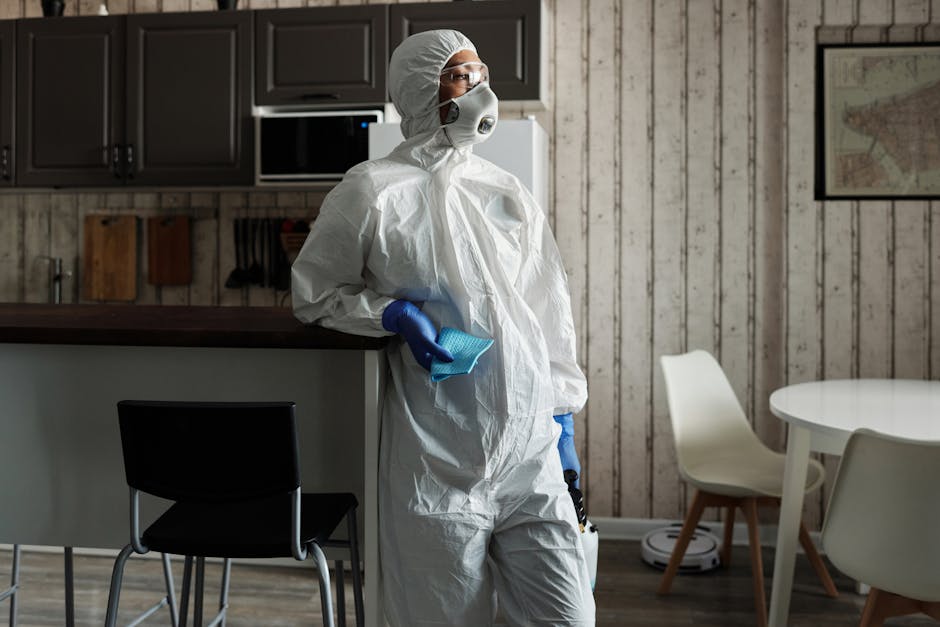
Emergency cleaning can touch hygiene, waste handling, health and safety, and property care. Because of that, good practice matters. Even when the job is domestic, a responsible cleaner should work in a way that protects occupants, staff, and the property itself.
In the UK, best practice generally includes using suitable PPE where needed, handling chemicals carefully, avoiding cross-contamination, and giving clear advice about drying, ventilation, and any temporary restrictions on access. If a job involves bodily fluids, strong contamination, mould, smoke damage, or similar hazards, it becomes even more important that the provider knows how to manage the risk sensibly.
Insurance, too, deserves attention. If a cleaner is working in a hurry, mistakes are more likely if systems are weak. You want a provider that treats safety as part of the job, not an afterthought. A sensible place to start is insurance and safety information alongside the health and safety policy. Those pages help you judge whether the business takes its responsibilities seriously.
For properties that are being prepared for a handover, general terms and customer expectations also matter. It is worth checking the terms and conditions and, if you have any concerns about service standards, the complaints procedure. That is not about being difficult. It is just sensible due diligence.
One small but useful rule: if a provider is vague about what they will do, or vague about what happens after the clean, pause. A good operator should explain the process in normal language, not hide behind jargon.
Options, methods, and comparison table
Emergency cleaning is not one single method. The right approach depends on the mess, the surface, and the time pressure. Here is a simple comparison to make that clearer.
| Method | Best for | Strengths | Limitations |
|---|---|---|---|
| Spot clean | Small, fresh spills | Fast, low disruption, good for immediate control | Not enough for deep residue or odour |
| Extraction clean | Carpets and some upholstery | Reaches deeper into fibres, removes liquid and loosened dirt | May need drying time and care with delicate fabrics |
| Manual detail clean | Kitchens, bathrooms, edges, fixtures | Targets stubborn residue and awkward corners | More time-intensive |
| Sanitising clean | Hygiene-sensitive incidents | Useful where cleanliness and reassurance matter most | Should be matched to surface and incident type |
| Deep recovery clean | Wider contamination or post-event reset | Most thorough option, useful after major disruption | Usually takes longer and costs more than basic spot treatment |
In short, the fastest option is not always the best option. A tiny spill on a hard floor may only need a light touch. A soaked carpet after a leak is another story entirely. As ever, the right answer depends on the surface and the consequence, not just the clock.
Case study or real-world example
Imagine a small flat in Haringey after a family gathering on a Saturday evening. A drink has spilled across the living room carpet, somebody has tracked it toward the hallway, and the smell is starting to linger by midnight. The tenants are anxious because they have a viewing booked the next morning. Classic stress spiral.
The sensible response is straightforward. First, blot what can be blotted. Then clear access to the affected areas, open windows if it is safe and practical, and photograph the damage. Next, a same-day emergency clean is arranged with a clear explanation: carpet spill, limited area, need for quick turnaround before a morning viewing.
The cleaner arrives, assesses the fibres, treats the stain, extracts the liquid, and advises on drying. The result is not a miracle; let's be realistic. But the room is usable, the smell is reduced, and the tenant can breathe again. That is the point. The situation has been stabilised, and the viewing can go ahead with much less embarrassment.
Similar scenarios happen in offices too. A coffee machine leak, an after-hours bathroom issue, or a reception-area spill can look minor but create a very visible problem by the next working day. In those cases, a fast, discreet response matters almost as much as the clean itself.
Practical checklist
Use this quick checklist if you are dealing with an urgent cleaning problem in Haringey.
- Identify the source of the mess.
- Make the area safe for people and pets.
- Take photos if the incident may need documenting.
- Note the surface type and how large the affected area is.
- Check whether moisture, odour, or residue is spreading.
- Choose whether this is a spot job, a deep clean, or a specialist clean.
- Ask what is included in the service and whether drying is needed.
- Prepare access to the property and clear small valuables.
- Follow any aftercare guidance carefully.
- Keep records if the issue is linked to tenancy, insurance, or business use.
Quick reminder: if you are still unsure, go back to the basics. What happened? What surface is affected? Is the problem getting worse? That alone usually clarifies the next step.
Conclusion
What to know about emergency cleaning in Haringey is really about three things: speed, judgement, and the right level of response. Some incidents are minor and need quick spot treatment. Others need a proper deep recovery clean to stop damage, remove odour, and restore the property safely. The trick is not to panic and not to guess.
If you remember one thing, make it this: act early, explain clearly, and choose a method that fits the mess rather than the mood. That usually saves time, money, and a fair bit of stress. And sometimes, it saves the whole day from going sideways.
Get a free quote today and see how much you can save.
When the immediate mess is gone, it is easier to get back to ordinary life. And honestly, that ordinary life feels pretty good after a cleaning emergency.